Baking Bread and Burning Dust
A breadcrumb of purpose
The day sagged under a crisp gray sky. I drove to the Superette, though I don’t recall the road that brought me there. It felt like I was piloting from somewhere above, a hollowed-out version of myself moving on autopilot, trapped in a fog of all fogs. The pressure in my head was crushing—like a hungover teenager, convinced the agony was eternal.
Sitting in my truck, staring off into space, my mind raced through the recent events. I watched the programmed lives of housewives and single men scurrying for provisions before a forecasted dusting worked its way into the area.

I tried to remember why I’d come. What did I need? My hands fumbled through my pockets, searching for a breadcrumb of purpose. Empty. The middle console offered nothing but old receipts and baby cake napkins until my fingers landed on a forgotten lottery ticket—a crumpled promise of nothing.
I mustered the motivation. The store doors slid open with a sterile hiss, and a blast of heat slapped me in the face. The smell hit next—fresh baking bread and burning dust from the heating coils. It threw me back to a time I didn’t want to revisit—holding my kids back from the candy aisle, then letting them run wild just inside the door, their laughter infectious to anyone within earshot. Polaroid flashes followed: a cabin in the mountains, the Saco River glinting under the summer sun, the kids floating on tubes while I grilled burgers, beer sweating in my hand.
These memories didn’t feel nostalgic. They felt final—like the ending credits of a slideshow that plays for men dying alone. A eulogy for a life of togetherness, of love, of trust.
The intercom crackled, harsh static breaking the spell. A little girl brushed past me, her small voice chirping, “’Scuze me, mister!” She darted toward the chocolate milk, a blur of innocence.
I stood frozen, hand reaching toward a rack of ribs. I had no intention of cooking. Customers moved around me like I was an inconvenient store display. I tossed the ribs back into the cooler, uninterested in food.
The intercom sputtered again. Then, like a divine decree, the voice spoke:
“Your wife is cheating on you, dummy. She’s behind her therapist’s office right now, ankles in the air.”
I spun around. The aisle burst into laughter—adults, children, even the wide-eyed, frozen chicken in the cooler seemed to mock me. A little girl covered her face, embarrassed for the sad man in the meat section. I was naked. Broken.
The voice continued, chipper now: “Santa’s got savings on toilet paper in aisle four, while supplies last!”
I clenched my fists and forced a breath. I could get any woman I wanted, right? My eyes scanned the store for confirmation, but the women looked as drained as I felt. Dumpy, tired, a collective stench of dried sweat and Xanax-induced apathy. My reflection in the cooler glass mocked me—a beer belly straining under my hoodie, a bloated face and a beard gone to salt and neglect.
At the register, the cashier greeted me with canned cheer.
“Merry Christmas!” she chirped, her smile bright and soft.
I barked a laugh.
“Christmas? Where’s the music? The tinsel? The cheer? You’re half-assing it.”
She took a quick step back, but her eyes stayed on me—curious, not afraid. Her hip cocked, and she pointed up without saying a word. I hadn’t noticed the Christmas carols—a tinny rendition of Holly Jolly Christmas piped through the ceiling. The lights strung around the registers blinked a lazy morse code, mocking me. For a fleeting moment, her warmth thawed something inside me.
I almost apologized. Almost.
“You’re a winner,” she said, holding up my ticket.
“You owe us two dollars.”
She was cute. The kind of cute that sticks with you. The kind that slips into your mind when sleep won’t come.
“Huh?”
“You won two bucks.It’s your lucky day!”
I wanted to keep that smile in my head forever, but I knew I’d forget it the moment I walked out.
I stared at the conveyor belt, hypnotized by its slow rotation. Memories churned—love, laughter, hate. I wanted to hate her, my now-fading wife. But I couldn’t. I hated myself more, but not sure why. Maybe it was just easier that way.
“Yeah, sure,” I mumbled, snapping out of it, shoving two crumpled bills forward.
She laughed.
“No, sir. You won. I’m giving you two dollars.”
I barely registered her words. I dropped a twenty onto the belt and reached for my bag, not waiting. The belt carried the bill away before she could see it.
I hurried to the doors, the burning dust trailing me like a bad omen.
Halfway to my truck, I heard her voice behind me.
“Sir! Wait!”
She ran after me, clutching my beer, and M&M’s like they were priceless artifacts. Her breath puffed in clouds, cheeks flushed pink from the cold.
“You forgot this,” she said, grinning as she leaned against my truck. “You got me working out now.”
“Thanks,” I mumbled. “Get back inside. You’ll freeze.”
“What, now you care?” Her grin widened, teasing but gentle.
She lingered, arms crossed, shivering but not leaving.
“Not everything that happens yesterday or today defines you tomorrow. I hope you’re okay. Merry Christmas.”
Her words hit deeper than she knew.
She turned to leave, but I watched her, my heart hammering.
As she slipped back into the store, I climbed into the truck, but the tightness in my chest wouldn’t let go.
I turned the key—Slayer blasting, sharp and loud. But the pain spread hot under my ribs, making my hands slick against the wheel.
I pulled over two blocks away, chest pounding. I thought I was dying. But I wasn’t.
I was feeling.
Her face burned in my mind. Flashes of a life I hadn’t lived—one where she laughed on the beach, walked beside me in fall leaves, held my hand without reason.
I almost kept driving.
But I didn’t.
I spun the truck around and pulled into the lot. She was still inside, laughing with another customer like she hadn’t just cracked me open.
For the first time in years, I felt alive. Terrified, but alive.
I didn’t know what I’d say when I walked back in, or if I’d even say anything at all. For the first time in what felt like forever, I let my inner self take over, to hope—for something new, for something better.
I didn’t know where this road would lead, but I was willing to find out.
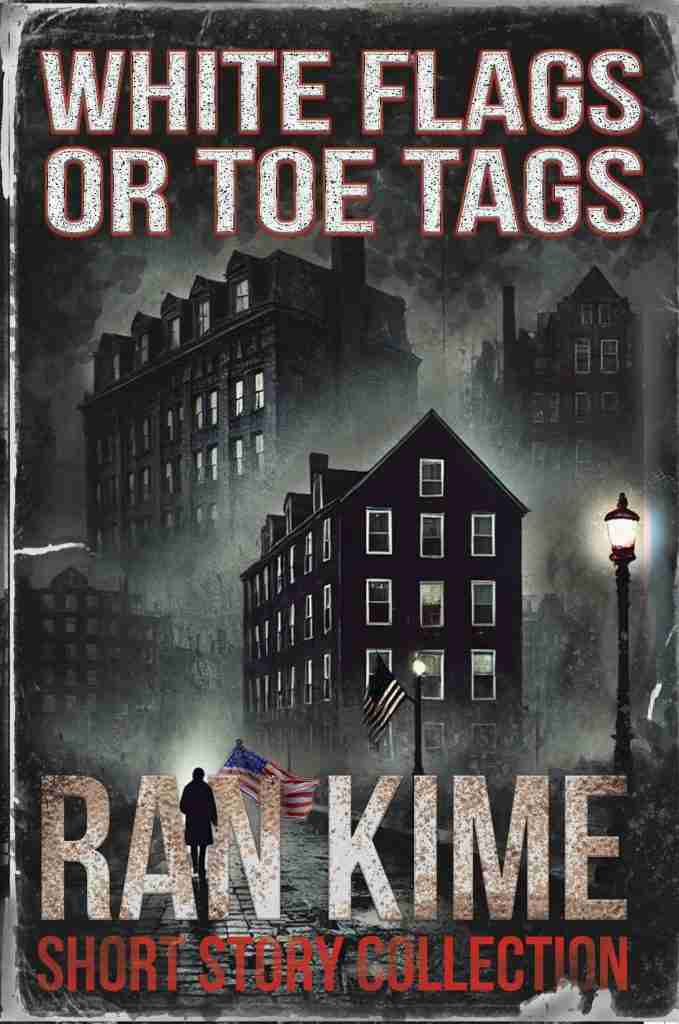
Dark psychological short story collection
- Psychological noir short stories rooted in survival and moral ambiguity
- Characters pushed to the edge of loyalty, violence, and self-destruction
- For readers who crave unflinching literary fiction without clean endings
A collection of dark psychological short fiction focused on endurance, moral fatigue, and the damage that accumulates when survival replaces hope. These stories follow characters navigating addiction, grief, inherited silence, and the quiet consequences of past decisions.
The pieces move nonlinearly, allowing memory and perception to distort reality. This is fiction about negotiating damage rather than escaping it — and living with what remains.
Paperback · 6×9 · 104 pages · ISBN: 979-8348118822
Prefer digital? Buy eBook
“I tried to remember why I’d come. What did I need? My hands fumbled through my pockets, searching for a breadcrumb of purpose. Empty. The middle console offered nothing but old receipts and baby cake napkins until my fingers landed on a for- gotten lottery ticket—a crumpled promise of nothing.”
Books by Ran Kime